Algae Forest Innovation
Your content goes here. Edit or remove this text inline or in the module Content settings. You can also style every aspect of
The Algae Forest Process for Wastewater Treatment is: Compact Carbon-Positive Sun-Powered
Solving problems for smaller operations and municipalities
As nutrient discharge regulations become more stringent, smaller wastewater treatment facilities often face greater financial and operational challenges in implementing advanced nutrient removal processes. AlgaFilm is committed to providing these facilities with affordable, low-energy, and mechanically simple treatment solutions.
Solutions tailored to your needs:
The Algae Forest can be used in a variety of applications throughout various steps in the treatment process, including:
- Lagoon upgrades
- Secondary treatment
- Tertiary treatment
- Side-stream & industrial wastewater treatment
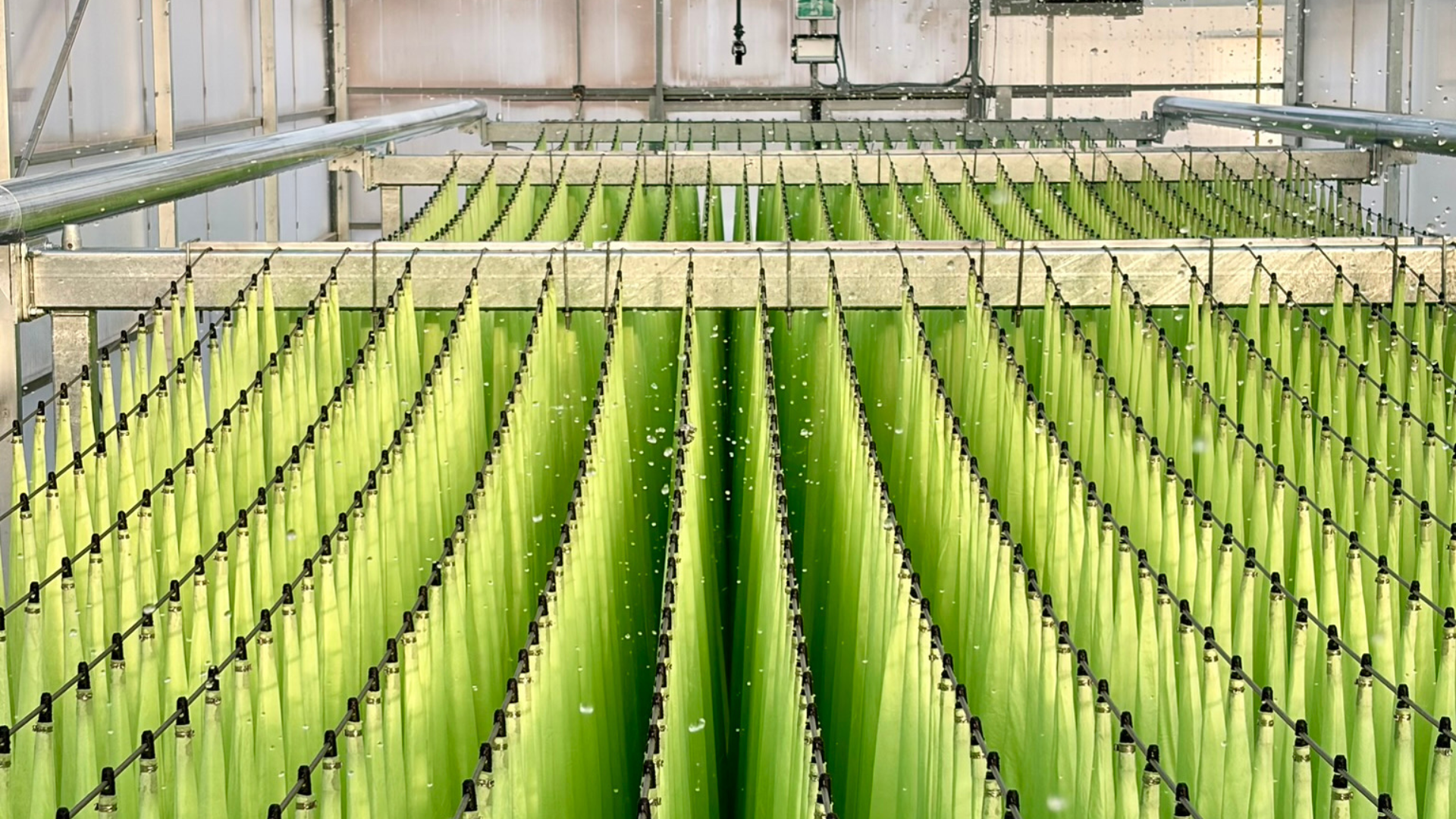

A simple, algae biofilm-based solution for wastewater treatment, transforming nutrients into valuable biomass and capturing CO2 directly from the air.
FAQs
What do you do with the harvested algae biomass?
It depends on the wastewater. There’s a lot of interesting work happening on algae biomass uses (animal feed, jet fuel, plastics, and more), but because in most of our applications the algae are grown from municipal wastewater, some of those doors are closed to us. Third-party analysis of our municipal biomass shows it works well as a land-applied biosolid or fertilizer, and it can also be converted to biogas through anaerobic digestion or to biofuel through hydrothermal liquefaction. It can be generally treated in the same way as you currently manage your biosolids, to avoid adding an additional step to the process.
How is the algae separated from the process water without any chemicals?
While many algae species float in suspension near the water’s surface, ours grow as a biofilm, forming dense colonies surrounded by extracellular polymeric substances (EPS or slime) that causes them to clump together. Once harvested from the Algae Forest cones, these clumps flocculate and settle quickly on their own, cleanly separating from the process water. The settled algae biomass can then be sent to your existing solids handling process or collected, dewatered, and sent off separately for downstream processing.
Does the Algae Forest need direct sunlight year-round? How does performance change with seasons, latitude, and cloudy weather?
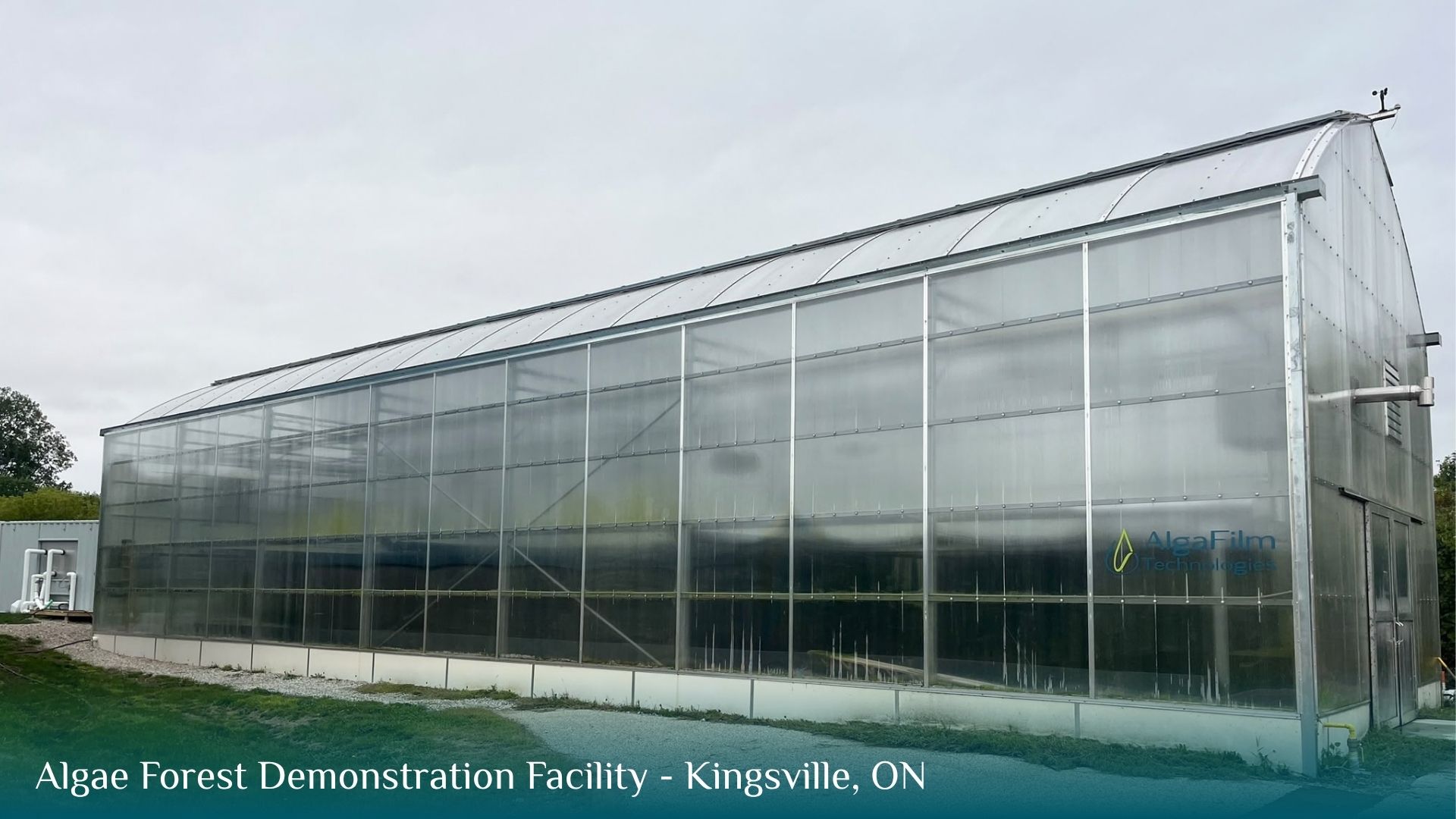
Algae need sunlight to grow, but they can be quite resilient. Our Vancouver facility (high latitude, often cloudy, minimal direct sun in winter) still delivers reliable treatment through the coldest months. Supplemental LED lighting can push performance up to summer levels when needed, but it is not necessary in all applications. It is important to maintain a temperature above freezing to keep the biofilm happy during the winter, so heated greenhouses are required in colder climates.
What makes the Algae Forest different from conventional algae ponds?
The underlying process is the same; nutrient uptake and oxygen production driving treatment. The difference is in the Algae Forest cone geometry. The cone shape allows for far more surface area per unit footprint for biomass growth, cutting the land area needed for similar treatment by a factor of 5 or more.
Can the Algae Forest replace a conventional treatment plant, or is it just meant to add treatment capacity?
Either one. It can be sized and configured to handle a facility’s entire treatment load down to discharge limits or sized to plug in as a part of the process, adding capacity to an existing plant. Because it’s a modular system, it can be easily expanded as flows grow or treatment requirements change.
How long does biofilm establishment take?
Generally about 2-4 weeks. During initial start up, closer to the 4 week mark, and after a shutdown/restart closer to the 2 week mark. With harvesting events once a week, we target 40–60% removal each harvest, so the biofilm fully changes over in about 2-3 weeks when operating continuously.
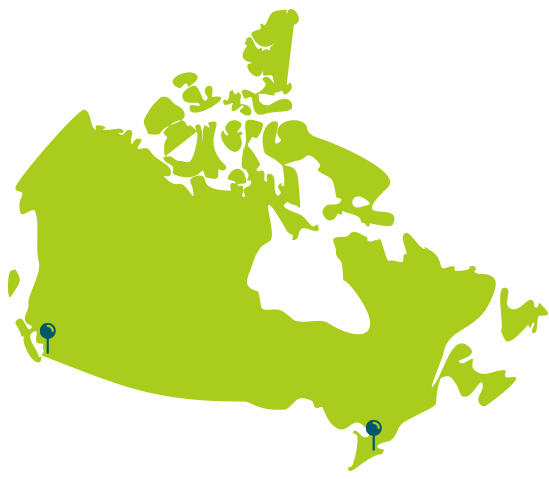
Our Locations: